Fox’s $22B Roku Bet Proves TV’s Future Is About Who Owns The Screen, Not Who Makes The Content — News Round Up: 06/15-06/21
by the moco.inc editorial team
The hot take: This was the week the ad industry stopped pretending that CTV was about “streaming” and finally admitted it’s about real estate. Fox’s $22 billion acquisition of Roku isn’t a content deal — it’s a land grab for the home screen, the operating system, and the ad server that lives inside your TV. Combine that with The Trade Desk’s Ventura OS pitch and Amazon’s Fire TV upgrades, and one thing becomes clear: the next phase of television isn’t about what you watch. It’s about who owns the glass. And the biggest ad break of the week happened in Cannes, where the power shifted from holding company CEOs lounging on yachts to the platforms that actually control the pipes.
The OS Wars: Fox-Roku, TTD Ventura, and Amazon Fire TV
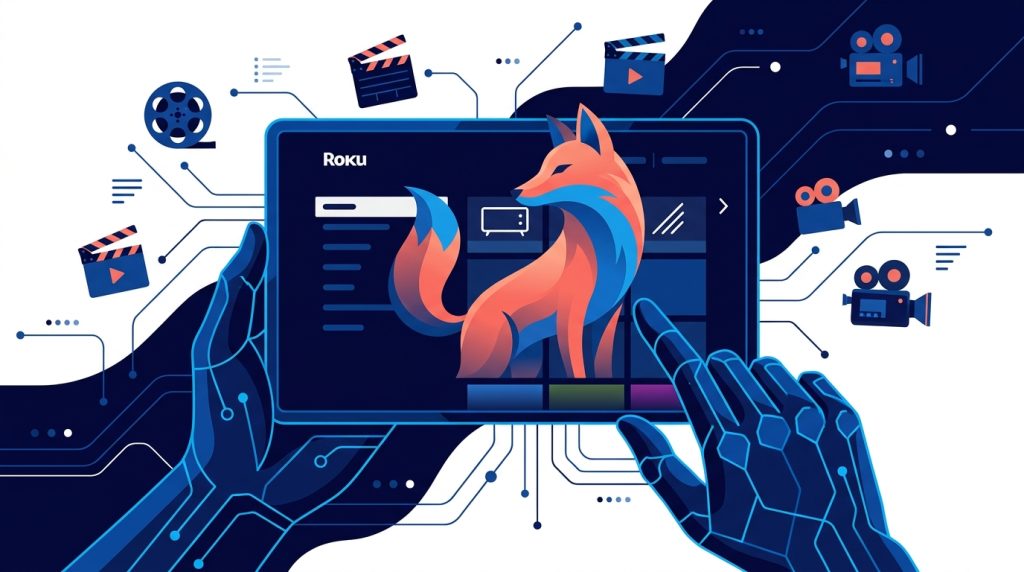
Let’s start with the biggest story of the week because it redefines everything else. Fox’s acquisition of Roku for $22 billion makes Fox the third-largest player in US television by share of viewing. But this isn’t about content — Fox already has sports, news, and Tubi. This is about the interface. Roku’s home screen is prime digital real estate, and whoever controls it controls the ad inventory that appears on it. As AdExchanger’s coverage notes, this is a “defining moment” that signals the merger of content distribution with operating system ownership.
Meanwhile, The Trade Desk is quietly pitching its Ventura TV OS to OEMs, and the subtext is fascinating: TTD wants to solve the inherent conflict between what consumers want (simplicity, no ads) and what advertisers want (targeting, frequency). Their pitch is that an ad-buying platform can build a better TV OS than the TV manufacturers can. Brave or arrogant? Probably both. But it reveals the endgame: every major ad tech player wants to own the layer between the viewer and the screen.
And let’s not forget Amazon’s Fire TV upgrades, announced at Cannes, designed to help viewers find World Cup content more easily — which is code for “we want a bigger cut of your home screen budget.” Three very different players, same battle: the TV OS is the new ad network.
CTV Measurement: The Frequency Cap Problem Is (Finally) Getting Solved
While everyone was obsessing over the OS land grab, Omnicom quietly dropped two pieces of news that might matter more in the long run. First, Omnicom can now measure ad frequency across multiple CTV platforms using its cross-platform clean room. This is the holy grail of CTV advertising — the ability to see that the same person saw your ad on Hulu, Peacock, and Netflix, and cap them across all three. It’s embarrassingly basic compared to what programmatic display has done for a decade, but it’s a genuine breakthrough for streaming.
Second, Omnicom Media struck a first-time data deal with Netflix, integrating Acxiom audience data into Netflix’s ad capabilities. This is meaningful because Netflix has been notoriously resistant to third-party data integration. If Omnicom can make Netflix’s ad inventory work more like traditional TV buying (with audience targeting), it changes the calculus for every major brand sitting on the sidelines of Netflix’s ad tier. As Omnicom’s own research argues, CTV needs to fundamentally change how it handles frequency and relevance. They’re not wrong — they’re just the ones finally doing something about it.
AI Ads Leave the Test Lab: Amazon Sponsored Prompts and OpenAI Go Global
Two AI advertising stories this week signal that the technology is moving from experimental to operational. Amazon is releasing its AI-powered Sponsored Prompts ads across the open web, taking what started as a conversational ad format on Amazon.com and pushing it onto publisher sites everywhere. This is significant because it blurs the line between retail media and the open internet — Amazon’s ad business is no longer confined to Amazon’s properties. It’s a direct competitor to Google and Meta for off-platform ad dollars.
Meanwhile, OpenAI expanded its ads manager to the UK and added CPC pricing. The rollout is still cautious (five markets, limited inventory), but the CPC move is the tell: OpenAI wants to look like a real ad platform, not a curiosity. Combined with Digiday’s reporting on how the AI search boom is fueling content budgets before media buys, we’re seeing the classic pattern: brands invest in SEO/content for AI visibility first, then the paid media dollars follow. The AI ad market isn’t big yet, but the infrastructure is being built right now.
Retail Media Grows Up: Walmart Absorbs Sam’s Club
Walmart is pulling Sam’s Club deeper into its ad business, according to an Adweek exclusive with chief growth officer Seth Dallaire. This is the logical next step for retail media networks: once you’ve figured out on-site advertising for your primary banner, you expand to every other property you own. Sam’s Club has a distinct membership model with higher-value customers, and bringing it under the Walmart Connect umbrella creates a more coherent retail media story for advertisers.
This pairs with Amazon’s off-platform expansion — the two biggest retail media players are both moving aggressively beyond their walled gardens. The question is whether the rest of the retail media pack (Instacart, Target Roundel, Kroger) can keep up, or whether we’re heading toward a two-player market.
The Cannes Signal: Power Is Leaving the Holdcos
Cannes Lions always produces a flood of deal announcements, but this year’s pattern is worth reading. Digiday’s on-the-ground reporting captures the vibe: “An investment bank walks into Cannes. A holdco walks out.” The power is shifting from the traditional holding companies to the platforms (Amazon, Netflix, Roku/Fox) and to the consultancies and independent agencies with real tech stacks.
Dept’s new AI orchestration layer is a perfect example: they’re explicitly positioning their AI assistant as the “open” alternative to the proprietary stacks that holding companies are building. It’s a smart bet — brands don’t want to be locked into a single agency’s tech ecosystem any more than they want to be locked into a single ad platform. Dept’s AI assistant already touches a fifth of its revenue, and they’re targeting 80% by next year. The message is clear: AI isn’t a feature, it’s the infrastructure. And the agencies that build their own will survive. The ones that rent it from Big Tech won’t.
What This Means For Next Week
Three big themes to watch:
- The TV OS consolidation is happening faster than anyone predicted. Fox-Roku, TTD Ventura, Amazon Fire TV — by this time next year, the CTV landscape could look radically different. Advertisers need to start thinking about OS-level buying strategies, not just platform-by-platform allocation.
- AI advertising is real, but it’s still a land grab. Amazon and OpenAI are both scaling their ad products. The smart money is on content and data infrastructure now, with the expectation that paid AI ad inventory will be a meaningful channel by Q2 2027.
- Retail media is becoming the third big ad platform (with a caveat). Walmart and Amazon are both expanding beyond their walled gardens. But if you’re a smaller retailer, the message is sobering: the window for building a competitive retail media network is closing fast.
The winners this week? Omnicom (for finally solving CTV frequency), Fox (for making the boldest bet on the TV OS future), and the independent agencies with real AI strategies. The losers? Anyone still treating CTV as “just another channel” and anyone who thought their holding company’s AI chatbot was a competitive advantage.
— moco.inc